English
 Español
 Português
 Deutsch
 한국어
한국어 日本語
日本語 Italiano
 Français
 العربية
 Türkçe
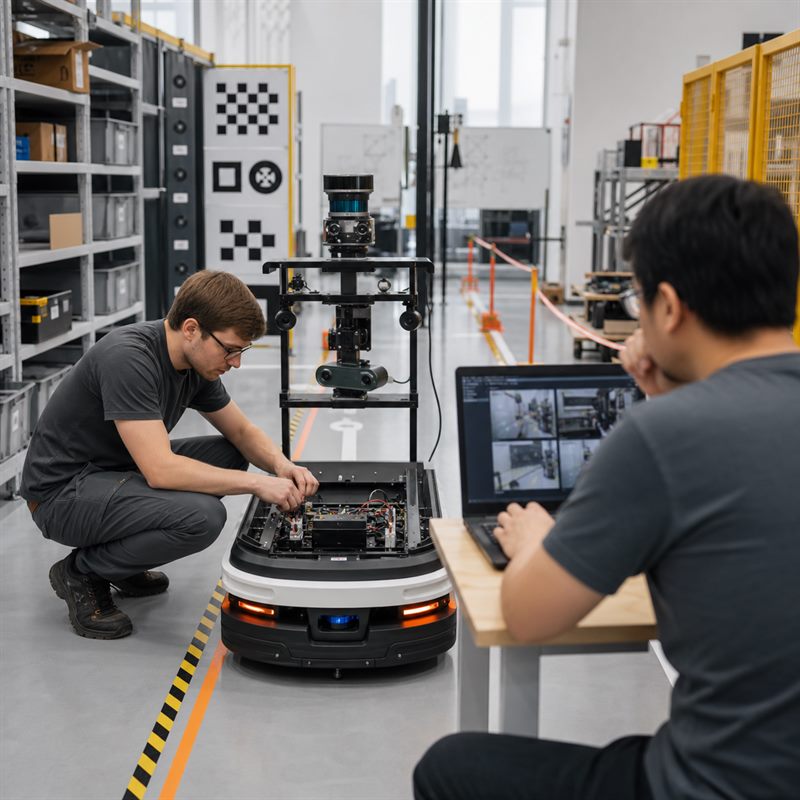
NVIDIA-based edge AI for robots is attractive because it shortens software ramp-up, aligns with familiar tooling, and gives overseas teams a practical path from lab validation to robot-side deployment. The mistake is treating the NVIDIA label as the decision. For a real robot program, the better question is whether the platform fits the sensor map, interface plan, thermal envelope, and deployment rhythm of the machine you are actually shipping.
Why NVIDIA-Based Robotics Compute Gets Shortlisted So Early
Overseas robotics teams often start with NVIDIA-compatible platforms for clear reasons: the ecosystem is well known, many perception teams already work around Jetson and Orin workflows, and the software conversation is easier when engineering, product, and integration partners are already speaking the same language. On the live MScape product overview, the N Series is positioned as the overseas path for robotics edge AI computing, while the Chinese official site frames the N Series around Nvidia Jetson AGX Orin in its family-level product section.
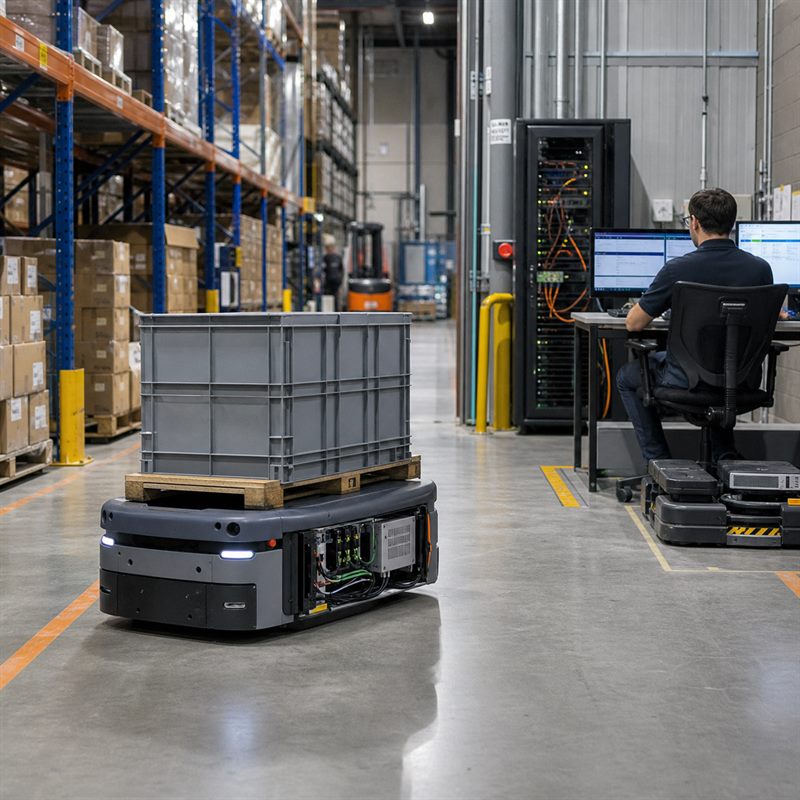
That starting point is useful, but it does not remove the system-level work. A robot does not buy compute for ecosystem familiarity alone. It buys compute to ingest sensors, run perception and local inference, exchange data with control subsystems, survive enclosure limits, and stay maintainable when pilots turn into repeatable deployments. That is why a useful evaluation should begin with robot architecture, not only processor branding.
Evaluate the Robot Workload Before You Compare Modules
Start With Perception Topology
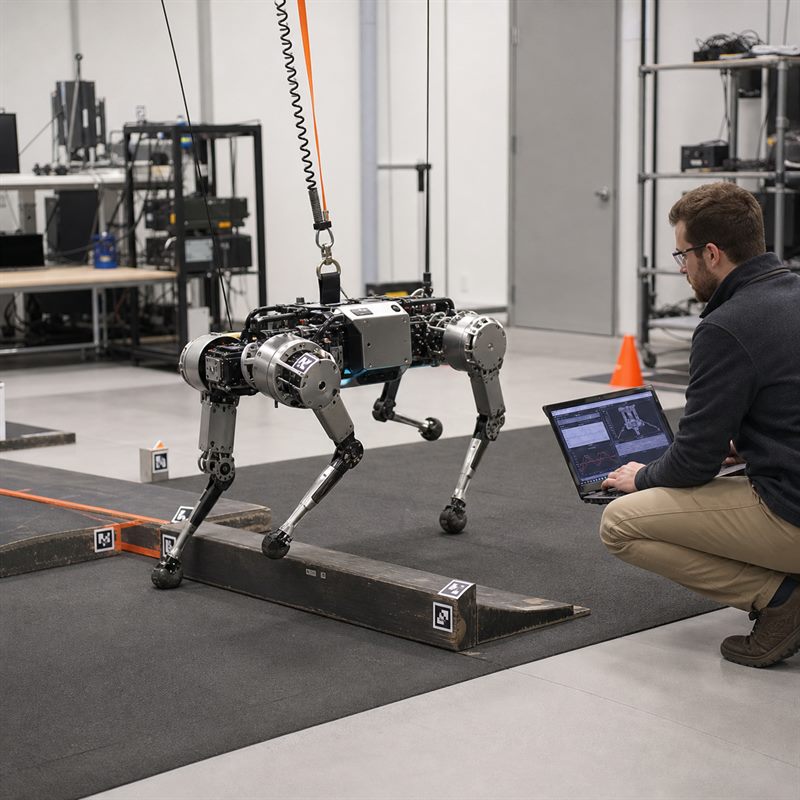
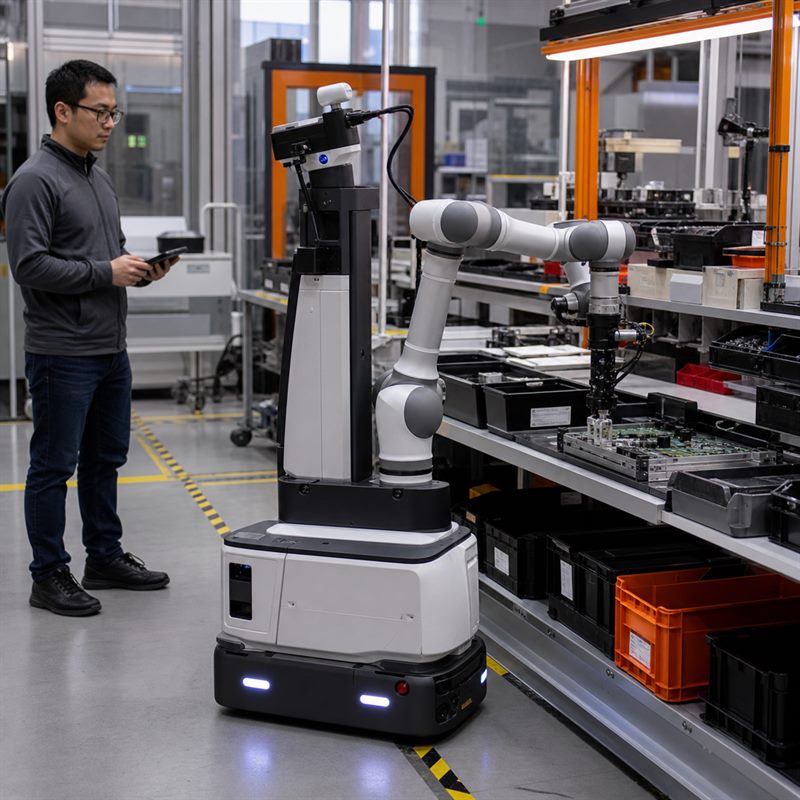
The first question is not how many TOPS you think you need. It is what the robot must perceive, where those signals originate, and how often the machine must act on them. A mobile robot with a modest forward perception stack has a very different compute profile from a sensor-rich humanoid, quadruped, inspection platform, or autonomous forklift. The live English application page already points to categories such as humanoids, quadrupeds, drones, forklifts, container vehicles, and industrial robots, which is a practical reminder that application context changes the compute decision.
Define the real camera count, expected resolution, frame behavior, sensor fusion logic, and inference path before choosing the computer. If those inputs are vague, the platform decision will be vague too.
Separate Peak Compute From Sustainable Compute
Robotics teams often compare platforms by peak AI throughput first. That can help narrow the field, but it does not explain whether the system will remain stable once cameras, storage, networking, motion data, and thermal constraints arrive at the same time. Sustainable robot-side performance depends on packaging, I/O discipline, and power planning as much as accelerator capability.
Count cameras and other local sensors in the shipping design, not only in the demo build.
Estimate which workloads must stay on the robot side for latency, resilience, or bandwidth reasons.
Check camera, network, and peripheral paths before assuming a compute target is deployment-ready.
Validate whether the enclosure, airflow, and power budget support steady operation in the actual robot body.
What Overseas Teams Should Evaluate First
1. Interface Fit Is Usually More Important Than a Spec Headline
If the platform fits your sensor and communication plan cleanly, integration risk drops fast. If the robot needs multi-camera perception, industrial networking, or compact cable routing, those requirements should be explicit at the start. The current English site positions the N Series around Jetson and Orin continuity, compact deployment, and robot-side edge AI use cases. The Chinese official site also highlights family-level application coverage across humanoids, quadrupeds, wheeled humanoids, drones, collaborative robots, and autonomous vehicles, which supports a broad deployment-oriented framing rather than a narrow benchmark story.
2. Software Continuity Matters, but Only if Hardware Packaging Supports It
Many overseas teams value NVIDIA-based paths because they reduce friction around familiar development stacks. That is a real benefit. But software continuity becomes less valuable if the compute enclosure, connector access, or thermal behavior forces redesign halfway through the pilot. A practical evaluation should review how the platform will mount in the robot, how service teams will access it, and whether cable routes remain stable once the robot moves beyond the bench.
3. Power and Cooling Should Be Decided Early
Edge AI computers are often selected when the robot architecture is still evolving. That makes it tempting to defer power and cooling decisions. In practice, those two items shape everything else. If the available power budget is tight or the enclosure volume is constrained, the compute platform must be chosen with that reality in mind. Otherwise, the team risks rework in harnessing, battery planning, and thermal management later in the program.
Engineering Shortcut
If your evaluation sheet starts with TOPS, price, and model name but does not yet list camera count, sensor stack, control bus, and power budget, the selection process is still incomplete.
Why Trust Signals Matter in a Robotics Compute Decision
For overseas buyers, compute selection is also a supplier-risk decision. The live About MScape page presents the company around the practical side of embodied intelligence and robotics computing platforms. The same page highlights a workflow built around defining robot architecture, matching the platform path, and supporting integration with datasheets and interface discussion. On the Chinese official homepage, MScape also shows event participation, application coverage, and partner-facing product positioning for embodied intelligence computing foundations. None of that replaces engineering validation, but it helps indicate whether the supplier is thinking in deployment terms rather than generic component sales.
For technical buyers, good trust signals usually include clear application mapping, credible integration language, event and ecosystem visibility, and the ability to discuss interfaces and deployment conditions in detail. That is why product selection and supplier evaluation should happen together.
How to Use the N Series Shortlist More Effectively
The N Series should be approached as a family path for different robot-side AI compute envelopes rather than a single answer for every workload. Use the product overview to shortlist the family, then narrow the conversation based on your machine profile. Compact robots may prioritize packaging and connectivity. Camera-rich platforms may prioritize sensor I/O and local perception fit. Compute-heavy embodied AI systems may need more headroom, but they still need the same discipline around thermal design, power, and interfaces.
This approach also creates cleaner internal alignment. Software, embedded, mechanical, and procurement teams can evaluate the same shortlist against real robot constraints instead of chasing separate assumptions.
A Better First Discussion for Overseas Buyers
- Define the robot category and target deployment environment first.
- List every camera and sensor that must remain active in the production configuration.
- Clarify local inference needs versus workloads that can stay off-robot.
- Document network, storage, and control-bus dependencies early.
- Set a realistic power and thermal budget before locking the platform path.
- Review supplier proof points together with the technical shortlist.
Start the N Series Evaluation With the Actual Robot Inputs
If your team is reviewing NVIDIA-based edge AI for a robot program, use the MScape contact page and send the engineering inputs up front: robot type, camera count, sensor stack, control bus, compute target, power budget, and deployment timeline. That makes the N Series discussion more concrete from the first call and helps narrow the right platform path faster.